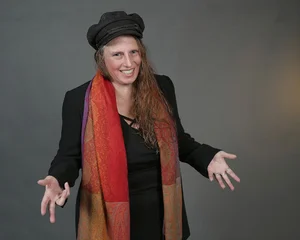
Culture Principles with Danielle Marshall
Aicila: [00:00:00] Today I'm speaking with Danielle Marshall.
Danielle is an equity strategist ICF certified Executive Coach.
With over 20 years of leadership experience and a TEDx talk under her belt, she helps leaders thrive in diverse environments, navigate complexity with empathy and build high trust inclusive cultures. Her coaching blends compassion with candid insight, encouraging reflection, clarity, and courage so leaders can grow themselves and their organizations in lasting ways.
Welcome to the show, Danielle.
Danielle: Thank you so much. I'm so excited to be here with you today.
Aicila: I am too. We, uh, we had the opportunity. I don't always get a chance to talk with my guests for an extended period of time beforehand, but she and I had a chat a month ago and I was a little bit like, we should have done two shows and recorded this and another one, but it was really fantastic. So I've been super looking forward to this.
Danielle: Yeah, same.
Aicila: So there's a bunch of different things that we talked about. The larger umbrella, is sort [00:01:00] of bridging divides or different practical tips for having those difficult conversations. And there's a few different places we can start, but one of the things that you talked about is the challenge that you see, which is a coaching through polarization.
And that's a very alive topic right now. We live in an extremely polarized environment. And there are some organizational strategies today for that equity inclusion.
I feel like it's such an obvious thing that we want more perspectives and more experiences and more viewpoints in whatever conversation we're having. But I don't know if there's also, at this point, a subcategory of that where are you having to make the case again for why that's important?
Danielle: Ooh. That's a, that feels like a loaded question. I, I think I,
Aicila: you don't have to answer it if that's not where you were to go.
Danielle: it, it's, it's less about that. I think it depends on [00:02:00] what we are talking about. I do believe that there are. Consultants out there, professionals who are still actively making a case for DEI today. They may call it something different. But they're still making the case. There are others who have maybe pivoted a little bit where they're not making the case. But they are moving into spaces that are adjacent. But always mattered to DEI.
And so even as we're talking about the fact that I coach around polarization. I was doing that as an equity person. I'm still doing that today because polarization has existed for a very, very long time and only feels like it's strengthening in this moment, and so I think. There's very little reason I will ever have to make a case for navigating polarization because for any business to thrive, they need to be able to talk to each other.
And so some of the things that I'm seeing is like there's, there's a lot of challenges within organizations themselves, where you have people that have different ideologies, different cultural backgrounds, [00:03:00] identities, et cetera, and they're not always on the same page, and so that then affects their ability to do their work,
Aicila: Yeah.
Danielle: But you can also then take that outside of the organization. Because now if I have to work with vendors, clients, et cetera, these very same issues come up. And so I am more so focusing my energy and time today on, quite frankly, teaching people how to have conversations. Which feels kind of weird to be in this space again.
But it is absolutely where we are.
Aicila: That makes a lot of sense. Is that, would you say in terms of the organizational strategies that, that you're seeing be effective, is it that kind of coming back to the basics and saying, let's start with learning how to talk to each other. Or, or do you think there's other things that are being identified or that you're seeing being effective?
Danielle: Yeah, generally what I start off is just by asking people like what communication looks like within your
Aicila: Hmm.
Danielle: because what I don't wanna do is I know what I specialize in. And I don't want to come [00:04:00] in with any assumptions for them. So if they can start to identify, you know, here's where we're actually doing a a great job already. And here are some of the pain points that we're experiencing.
That's what I like to tackle because I don't think it's a one size fits all approach.
Aicila: That makes a lot of sense. Well, and well, of the things that I've noticed, it's it, I find it hopeful and irritating at the same time. Which is that people have a reaction to words like DEI. However, if you describe the circumstance, we want the workplace to be more functional.
We want the people who work here to be able to talk to each other effectively and to resolve conflict in ways that repair relationship and allow teams to be more successful. People are like, oh yeah, we love that. Like the description of what you're trying to accomplish, doesn't turn people off.
It's, it's the word that has been, you know, I don't know, weaponized or something like that. I think I said I find the most irritating and also kind of hopeful. People want the result. They just don't always understand the word [00:05:00] that gets them there.
Danielle: Yeah, a hundred percent. Um, and I, I had a mentor sometime ago, uh, say something, and it really stuck with me because she said that, you know, we have to be more committed to the work than the words. And it was such a powerful statement, like when it was said, like I could feel it sort of move throughout my body as the words landed on me.
And I said, that's very much the philosophy I move through life with. I do want to understand what your definition of a word is. But if it is going to be a trigger point for us that we can't move forward in the conversation. I'll put that word down, right? Like I have plenty of other words in my vocabulary that I can call on.
And so to me that becomes more important because at the end of the day, do we in fact want a safe workspace? Do we want to make sure that our employees are paid fairly? Do we want, like, there are just certain things that you have access to the materials to do your job successfully. Very few people are gonna ever argue with that.
But to your point, the words do become, a trigger point. And I'll just, I'll add one other thing of like where I've seen [00:06:00] this in a conversation I was having with a colleague who works in philanthropy. She had encountered a donor who was like, I don't understand what this whole equity thing is. I'm really anti, you know, they, they went out and they were against so many of the different DEI, um, actual words.
And so they started to break it down a little bit more. And it wasn't even in that moment about them defining each thing. What the person did is that they leaned in with curiosity and they said, you know, I'm really surprised to hear. That you're against equity, because when I think about the work that you do in the community, you care about education, you care about making sure everyone has access to housing and like went on to explain a couple of other things.
She had seen this individual do
Aicila: Yeah.
Danielle: for him to say like, oh, I, I didn't realize that was about equity.
Aicila: Yeah.
Danielle: And once the light came on for him. He was like, okay, I'm, I'm willing to sit in this conversation differently. And I think what was beautiful about what she did in that moment is she didn't [00:07:00] force the issue.
She simply asked a question, like, tell me a little bit more about what this means for you, because I'm seeing something very different.
Aicila: Yeah, and I think that, I think curiosity, and you probably experienced this a lot in terms of when, when you are trying to disrupt certain patterns, in yourself and others, honestly. When you can step into that place of curiosity and you know, what, how does this track for you? Like, my experience of you is this and you're doing this, what does that mean?
And I feel like that's often a lower lift than trying to play with facts. And argue people into some kind of position and often a more enjoyable conversation and has more possibility of, of creating some connection, I guess. Some place where you can step together, whether or not it's it's agreement, you can usually find someplace to connect.
Danielle: Yeah, absolutely. And you know, something I ask people often to think about is what your goal is in this [00:08:00] conversation. You know, are you here to win or are you here to understand?
Aicila: Yes.
Danielle: Those are gonna lead to very different dynamics in the conversation. If we're here to win, we rely on those facts. We rely on our argument.
We want to prove how wrong this individual is in that moment. Versus understanding allows us to step in with questions. And I'm not saying I, I agree with you. I just wanna understand your perspective. That's it.
Aicila: Do you have a sense of what. Oh, it tends towards that desire to win. Does it like a fear thing or a, a fear of loss or, I mean, obviously it's, it's gonna be different, but in, in general, when you've seen it, do you, do you feel like there's a set of conditions?
Danielle: There are lots of conditions. I'll say that. I think there are two things that stand out to me pretty clearly. In this society, we, we function a lot on dominant culture, and there, there are two things that I see really, sort of serving as the fuel for this fire in that we are perfectionist, right?
And that we have [00:09:00] paternalistic views. And so the thing is, when you're leaning into perfectionism, you can't be wrong.
Aicila: Right.
Danielle: I have to be right. And then the, the second piece of that is paternalism. If we add that on top of the fact that we wanna be perfect in every moment, what we're also saying is, I know better than you do.
Aicila: Right.
Danielle: And so that attitude alone and the way our society is set up, like you're, we're often not allowed to make mistakes at work.
Aicila: No.
Danielle: We're, you know, we're chastised when we do. Even as parents, we get upset with our kids, you know better. You shouldn't have done that. It's because we're assuming that people are supposed to behave and think in a certain way, and it doesn't leave any room for flexibility.
And so I think when we go into those conversations, grounded by the fact that we wanna be perfect, we wanna get this right, our job is solely to tell the other person why they're wrong.
Aicila: Yeah, no, I see I, coming from a social justice activist background, I [00:10:00] actually feel like I saw a lot of really well-meaning people, you know, wanting to understand how to be more inclusive and engage in equity. Who, who, who did also have that fear of getting it wrong. And that, and that created a whole other set of circumstances that were.
You know, heart in the right place be behavior, not so helpful. And,
Danielle: Yeah.
Aicila: and I like, that's a really good summary. Like the, the perfectionism and the paternalism really to combined put a wedge between us and growth and connection.
Danielle: And, and I can add onto that based on what you just said there's only one right way,
Aicila: Right? Yeah.
There's.
Danielle: So we, we can keep stacking things and individually, some of these characteristics are dangerous enough. But when you add them together, the aggregate is really challenging to navigate around.
Aicila: Yeah, it really is. And it's unfortunate because it does occasionally come up in places where it creates the opposite of the [00:11:00] stated desired outcome, if you will. That's one of the things I really loved about what you were talking about is it, it feels so very aware of the human experience. And I, I feel like sometimes we, we conflate the idea of grace without accountability. And it's like, no, no, you can have both.
I can have full on grace for myself, as well as anybody else. And also have a commitment to accountability and that's not. They don't have to be at the expense of one another. And to a certain extent, I feel like accountability allows for more grace. Because it allows for that awareness of the container of growth, the container of we're not perfection, perf perfect, nobody really knows the best way.
We know what's happening right here. And we understand the impact of this. And how do we, now that we, it's, I love the Maya Angelou quote, right? Do what you know until you know better and do better. And that feeling of, okay, you didn't know, now you know. Now I know what do I do better?
Danielle: Mm-hmm.
[00:12:00] Absolutely. I think that also as you're, you're talking about accountability, the other thing that it allows for, especially when you partner it with Grace, is to see the other person's humanity. And to just create this space where you can both be learning together. Like I, I think what was very interesting to me during so many of the conversations of the last five years is people kept saying. Do the work. And that was a statement that was made inside of all kinds of communities, right? So it didn't just apply to white people while we were having our racial reckoning. It applied to black people, it applied to Asian communities, it applied to the LGBTQ plus community, et cetera. We all have our work to do. And so if we each have our work, the fact that I can offer you grace to say, I see that you were trying in this moment.
You're not where you know you need to be. You're not where maybe you desire to be. Or where I would even personally like you to be, but I'm still gonna hold you accountable. To me those things together are important because I think when we can hold [00:13:00] people accountable, we're actually demonstrating love in that moment.
Also, when we hold ourselves accountable, right? It allows us to see each other as more human because this is about being in right relationship with one another.
Aicila: Yeah. I really agree with that one. It's interesting to me because I am blessed to have really good friends who will, we call each other in and out as
Danielle: Exactly.
Aicila: And it's funny because I feel like in the, in the dominant culture that can be seen as a negative thing or as something to be afraid of.
Like, you're gonna get it wrong. But I actually feel like it lets me relax because I can know that. I'm gonna show up as myself, my, my best self in this situation. And if somehow I, I step into or say something that, that they, you know, one of my friends is Jewish and a couple years ago we were talking on the phone and I said something about shyster. And she's like, I don't know if you know, but that's not a term that feels really good to me.
And I was like, oh, I'm so sorry. That [00:14:00] was the whole thing. But then later she was like, I just really appreciate you. 'cause I told you that you said you were sorry that it was over. And I was like, what else were we supposed to do? You know? But it was just that process of like, I don't have to worry that it means anything else with her.
And she knows that she can tell me
Danielle: Mm-hmm.
Aicila: didn't feel good. And it's not a big deal. And I feel like sometimes people have this idea, like you were talking about the perfectionism. Oh, I got it wrong. So then there's this big, oh my gosh, and blah, blah, blah. And they feel like some of them make up for it.
And I'm like, well, if they need to make up for it, the person's gonna tell you. I mean, we would hope. Right,
Danielle: Well, but see, but that's what's interesting. Like I, I take it when someone gives me feedback as a gift.
And the, the reason that I say it's a gift is sometimes it happens with friends, other times it's gonna happen in professional circles, et cetera. But you didn't actually have to give me feedback on that.
You could have turned around and been like, you know, Danielle's the worst person in the world and just walked off with that belief system. But instead you stepped in to say like, Hey, I don't know if you understand this or you knew this thing before. I just wanna make this clear for you. [00:15:00] So I accept that as it is. And I I'll share my own story of more professionally, like when I got it wrong in a very public space.
I was leading a, a training with one of my colleagues and now friends as well, and the, the individual is transgender. And during the beginning, this was during the pandemic. And so everyone was on Zoom, and you can name yourself on Zoom. And so I asked people to put their preferred pronouns. Now, I meant every intention to be good in what I said. Because I want to be able to call people by the, the pronouns that they, they want it to be called by.
But my colleague pulled me aside at the end, or actually it wasn't even at the end, it was in the middle of the session. We had a break. And we always just discussed how things were going and they said to me. I need you to just be mindful of what you said about preference, because it isn't preferred. And we do not wanna give the indication that someone chooses their gender in that way.
Like, this is who they are as individuals. And I said, [00:16:00] thank you so much. Again, I knew that was not my intention, but instead of like going off the rails and being like, I didn't mean it that way. I just said, thank you so much for letting me know. And then when we came back to the call with the full group, I, I used it as a teachable moment.
I said, you may have heard me a moment ago, say preferred pronouns. Let me tell you why that was a mistake on my part. And I'm bringing this to you both in humility 'cause I don't want to offend anyone in the room. But secondly, if there's someone else here who has not heard this before, I need you to understand why this is important.
Aicila: I think that's so important and powerful. And I also feel like that it, it speaks to the reality that we only know what people tell us in the end. We all live in our own worlds. Like not even just talking about echo chambers, but our own worlds and our own experiences.
And so I don't actually know until somebody corrects me. Unless, you know, I might, maybe I watch a [00:17:00] movie, but those aren't always factual, right? Like I can seek information, but really and truly, if I'm engaging with someone. And I do something that they don't appreciate or find distasteful or feel that I need correction on, if they give me the gift of that, that lets me know that. In whereas
they, and I get it, like there's, you want to believe, oh, people would learn this, but a lot of times they haven't had a reason to or an experience that brought it to them. And my experience also has been many, many people do really appreciate the, the being. They, they don't want to offend people. They don't want to, to do things that create that kind of, uh, lack of belonging or lack of welcome.
They just genuinely don't know better.
Danielle: Yeah, but I, I, this is where kindness can become a, a liability though, right? Like we, we want to lean in, we wanna be good people. We don't wanna step on toes, but because we are censoring ourselves in these moments. We never really learn the lessons we [00:18:00] need to because we're too afraid,
Aicila: It's really true. I really, I appreciate that as a, and to speak to that. So I'll step into another thing that you shared. You wish that more people knew that when we talk about toxic workplaces, it's as if toxicity is baked into the job. And you shared that you've believed that. When we view it as a toxic, it's actually the result of behaviors, choices, and unspoken norms. Which
that's culture. And that helps me understand that culture's not fixed. It's something that we either design intentionally or we inherit it by default. And, and to speak to that, there's a lot of, there's a dominant culture. There's the way things have been, and then there's this desire to shift culture. And then what the work that you do kind of like makes it a little more intentional, is my understanding.
Danielle: it's absolutely intentional. When I think about the organizations that I'm working with, I mean, we're, we're grappling with lots of cultures within an organization. It's [00:19:00] the culture that exists specifically for that organization. It is the dominant culture. You know, the water that we swim in every day.
It is the individual cultures of people.
yeah. they're bringing in and their identities. And so were you born in the us? Were you born, you know, someplace else? Did you live in the south versus the north? There's so many things. That come up when it comes to our identities and our, our cultural understanding of the world.
But I think what is more important for me in these conversations is less to focus on what's happening outside, for a second. And talk more about what we want culture to look like here. Right. And I am not unaware that the outside conditions impact how we see the culture, but you also have a choice to make about how you show up and you spend time with people and how we treat one another and how we respond to folks within the organization.
And so that feels like a really good starting place because it gives folks a common thing to work towards. [00:20:00] Whereas when I look outside of organizations, oftentimes we're positioning ourselves and we're jockeying for position about which is the better culture, which is the right way to do things. And instead, I'm really trying to get us to a place where we can co-create a common culture that works within this organization.
Aicila: Can you give an example? Obviously without any identifying stuff of a, a situation or a, a, a representative situation where something was feeling toxic perhaps. And then there was a behavioral change or a norm that you could identify that, that shifted things for people.
Danielle: Yeah, absolutely. So just right off the top of my head, the fact that we started this conversation around accountability. I went into an organization, let's say this is about maybe 2020 when I started working with them. And I had never seen a blame culture as deep existed in this organization.
Aicila: Wow. Okay.
Danielle: It was e everything was somebody else's fault,[00:21:00]
everything.
And so when I think about that, you know, it's, and it, it didn't matter what we were talking about. If we were talking about like how finance was run or how marketing, you know, what pictures we chose to go out on social media. Well, I don't like that. Well, so and so did that. They're responsible.
Aicila: Hmm
Danielle: It was so limiting.
And now I'm there to do equity work with them at the time.
Aicila: mm.
Danielle: We couldn't even get past the basic things. I'm like, how am I supposed to talk to you all about race and all of these other things when you are arguing about photos on Facebook.
Aicila: Wow. Yeah.
Danielle: you know, and blaming one another for that. And so we really had to do a deep dive into like what it meant to.
One, stand in your truth, but also be accountable for the words, the behaviors that you have. Because sort of as a, what was interesting about that, there's this blame culture. There is, now we're trying to move towards accountability. But what I saw the group do as they were pulling towards, okay, we're gonna be accountable.
They still [00:22:00] had this blame they were bringing with them on this path. And so the blame looked more like, well, I'm gonna hold you accountable. I'm gonna hold this other person accountable. And they hadn't yet turned the curve on being able to understand accountability is not a one way street, that we must all be accountable to one another.
Aicila: Yeah. To that group. 'cause it to the group culture.
Danielle: Yeah. So it, it was just really interesting to watch, but I think. What ultimately started to shift, and I saw this with a lot of the, the more senior members of the team, is that when they used language where they were holding themselves accountable, they started to model for other people what was okay to say.
You know, they didn't lose their jobs. No one backlashed against them. But they walked into a space and they said, you know, we, we shared this messaging with you yesterday. And we're aware that it did not land well. We take responsibility for this. We apologize for the fallout. And here's what we're thinking about to make it, you [00:23:00] know, right in this moment, we want your partnership to figure out is that the rights solution for this moment.
And all of a sudden, you know, that's a specific example I'm giving, but what I saw is the more conversations that were happening around that, the more accountability people were able to take. 'cause they realized like, oh, I can actually, I can do this myself.
Aicila: Yeah, that sounds magical. I, I, I think also that that leadership piece is so important. I had a friend who worked at a company that was a younger company. They weren't quite a startup. But they had a little startup culture and they would say with their words, oh, we don't want you working all the time. You know, you have unlimited PTO and all of that.
But then one of the, the big cheeses was always sending emails in the middle of the night and, you know, taking Slack messages at 11 o'clock. And someone approached them and said, you know. You say We should work all the time, but you do. And so it feels like that's actually what we need to do to be successful.[00:24:00]
He was appalled. He was like, I didn't, I didn't mean to set that. I just, he liked his job and he, you know, that's what he wanted to do. And it's just like, no, you, you, you, you actually have to do things like you have to take vacations. You have to turn off your phone. You have to not answer that email in the middle of the night.
Or people are gonna know that it's a wink and a nod. That if they wanna be successful at this company, they have to burn themselves out. It's probably also good for you as the leader, but like in addition, you really
Danielle: of course.
Aicila: it for your people.
Danielle: I had a client that did something very similar, but they actually had a different modification. No one approached them about it, which was interesting. Actually, maybe someone did approach them because they, they came back to me and we worked out a plan where they literally said in their email they weren't going to stop this behavior.
This individual was not, they wanted to send emails whenever they wanted to. And to be fair, they were also traveling a lot. And so when we talk about time changes and differences, you, you're not always gonna be on the east coast, right? You might be someplace else. And so what they did. Is one, they message to their staff to say, you know, you may get an email from me at [00:25:00] 2:00 AM in the morning.
The expectation is that you do not respond to it. But they also put that as a tagline in their email.
Now, I don't know that that worked in its entirety, but I think they were attempting to reinforce that like, I can't sleep at night, right? Or, I have this travel schedule that is gonna mean we're in different time zones.
Please respond during different during your appropriate work hours.
Aicila: Yeah, well, I, I've started, I started using 'cause as, even as a culture of one, like I feel very strongly that it's important to think about what I'm doing. So if I ever bring people on my team, I wanna make sure that, that I'm not perpetuating bad habits. And so I'll do things like schedule stuff. Like I write 13 emails at two in the morning.
I don't actually do that anymore. I've gotten pretty good about it, but when I was, I scheduled 'em to go out at eight the next day. So
that it's not. Yeah. So that way I am, I am at least creating that expectation, even for myself. But just recognizing that whether we mean to be or not pe there are people who are [00:26:00] looking to us as examples.
And if, if we say with our words and do with our actions, the most of the time, they're gonna believe our actions. And so I love that with your leadership, they were able to take that accountability and model what that feels like to, to just. Acknowledge like, oh, this is what happened.
Danielle: And I think the other thing is, so like since we're we're talking about questions and inquiry, right? That curiosity piece. It is to ask people, what do you imagine is the result or your? because I think there are times we just we're so involved in our own head and our own world that we actually don't think about how this impacts other people.
Um, and so, and I'll keep this, uh, uh, story of the emails going, but I'm like, when, when I ask this question to them. Yes, it may force people to feel like they have to work at all times of the day, but there are other things that are happening that you're not paying attention to either. If someone has not turned their do not disturb on, on their phone.
If I'm in bed at 3:00 AM [00:27:00] am I listening to your like, bing, bing, bing, every five second, or the team's notification, whatever it happens to be, now you're disrupting my rest. Right? So what else might be true?
Aicila: Yeah.
Danielle: 'cause of this one behavior because that was not absolutely not their intention, and yet it's the fallout.
Aicila: Right. Exactly.
Danielle: Yeah.
Aicila: that's really true. And especially also if they're travel. Like if you're traveling and you don't realize that it's five in the morning. And there, you know, and it's not, and and there's lots of ways, but just to really think about what are the containers we create that allow for our culture to be as fostering of everybody's thriving is possible. Like I, we're, we're, we're there to do work. However, my my personal belief is how you get there is, as, is as much a part of where you're going as anything else. And so really thinking like, if we're creating this? And we're creating a team, how do we make sure the team can thrive here?
Which isn't to say the goal obviously is not in, it's not about, [00:28:00] the focus isn't health and wellness per se. However, the health and wellness of your team does benefit the whole situation.
Danielle: Mm-hmm. And I would say, this is where it gets really important to define out specific things, because people will talk about wanting a culture shift.
Great. They may even name certain things that they want. We want trust. We want collaboration. We want respect. Oftentimes where I see the work stop is right there, right?
Like you've listed these things out, you slap 'em on the wall. These are our values of the organization. But I have to ask this deeper question of what does it look like to have trust, to have collaboration, to have respect? And it's important to me because if I were to sit in a room of 10 people and I asked each one of them what respect meant to them.
I'm likely getting back 10 different responses. And it's not that they don't overlap, but we need to hear the range of how people are thinking about this. One person might say, please don't talk over me during meetings. Another [00:29:00] person says, you know, respect looks like we start, you know, our events on time, and we end on time.
Somebody else may come in and they're like, I just, I want my ideas included in here. Right? For all of them, this is their definition of respect. None of them are wrong. It's just what it means to them. And so now we have some overlapping things and the pushback that I often get from clients when I come in to define these specific ways that we can show up is they're like, well, we can't account for everyone.
And I said, you don't have to. Look for the themes. Right. In this workplace, what does this mean to us to be in right relationship with one another? How do we collaborate effectively based on this respect? How do we make sure that we move our mission, our business forward, et cetera? You're gonna have to listen to your people, but more than just, listen, how are we implementing this?
How are we operationalizing this into our day-to-day work?
Aicila: And operationalizing it, I think is really key in learning how to, it's, it's, uh, it's the, a recipe isn't bread, right? Like, you can make a list of [00:30:00] ingredients. And you don't really know what's gonna happen until you try to cook it. And, and then sometimes you're like, Ooh, gotta try that again.
That, and then it's perfect, right? But that space of just because you know it and you see it until you operationalize it. So you actualize it, you don't actually understand it.
Danielle: I, I love that analogy. I never heard that before. The recipe is not the bread. But like I'm, I'm fresh off of cooking a pot of red beans and rice, which is really big for me. 'cause I, I lived in Louisiana for years. And I tasted it. I put all the ingredients in. I know this recipe by heart. I tasted and I was like, oh, add seasoning to taste, right?
Because something was still missing. And so to that point, even with all the ingredients, my mom could eat it, my daughter could eat it, my neighbor could eat it, like all these people are coming in. We still need a little extra based on our palette.
Aicila: Exactly. And so, and not to be afraid of that. I think that sometimes there's this, it does feel a little vulnerable when you're, when you're stepping into trying something and, and to [00:31:00] recognize that it's, it's like anything worth doing that you are gonna try it and, and. And you'll learn no matter what.
And if you have a team and a coach or someone working with you, you've got some backup, some places where you can get caught. And that's also helpful too, like held caught. And, um, yeah. So one of the things that you talk about that you feel like sometimes surprises people is that people often think of curiosity as like a soft skill or a person personality trait, and you approach it more as a strategic practice and a tool that people can use. Can you.
Danielle: Yeah, I, I don't really see it as soft at all. Like we, we like to lump it into the soft skills, but it's very much a strategy and part of this is my nature. I have been a question asker from the beginning of time, much to my mother's chagrin, probably, growing up. But when I'm thinking about organizational, you know, whether it's culture, development, whatever we need to get done, I do not think we ask enough [00:32:00] questions. Um, and so the consultant side of me, 'cause I am both coach and consultant, the consultant side of me wants to dive a little bit deeper, right? Tell me a little bit about what's been going on, what is working well for us? What, where do we have barriers? Where are people feeling like they, we could just do a little bit better.
They don't wanna change everything, but they wanna tweak something. Like, I'm diving into that. What does the data say?
Aicila: Yeah.
Danielle: Right, and whether that is numerical or you've gone out and gotten anecdotal data, like I wanna really understand what's happening. So that we can ask better questions. What I find oftentimes is that we are so quick to need to move forward, right?
Like, we gotta get this sale. I have to run this new program. I have to do this thing in the community that we. Move too quickly for us to actually sit back and think these things through. Uh, and as we're asking questions, it's not just about me asking questions as the individual. I'm often the facilitator of these, but I am relying on the group's knowledge.
Aicila: [00:33:00] Yeah.
Danielle: what I, I generally find is people build upon each other, right? You offer one comment. The next person says something. It triggers something for you. And you're like, oh, right. And then last Thursday this thing happened. And so I, I look at it as a strategy because the more information that we have, the better decisions.
And I'm not saying to sit in this conversation forever because honestly, you could do this in an hour. Just pick a small enough topic so that you can do a deep dive into it, get the information you need so that you, one, have, some immediate information to make decisions on, but two, maybe it surface some other questions You're realizing like, Hey, we, we don't actually have data on this, or We don't know what people believe about this particular program we've rolled out. That tells you as a next step in your strategy, go get that information right.
Aicila: Yeah,
Danielle: How do we fine tune things if we don't understand what needs tweaking?
Aicila: Yeah, we have to get that experience. When I, I ran the L-G-B-T-Q Center in Boulder County for six years. In the first, I wanna say almost eight months that I was [00:34:00] there. I genuinely just talked to like five to seven people a week. I would just, I started with the people I knew and the board, and then I would say, all right, who else should I talk to?
And I would go, have, you know, beverages or snacks, and just ask them what, what has worked, what hasn't worked? What do you wish would be different? Tell me, you know, tell me your vision, like, you know, get some sense of, of what's going on here. Because there, there was a lot of, at the time when I started, there was a lot of confusion and disarray.
And so really getting that information and hearing all of those stories and just like, in addition to curiosity, being able to listen, I think is a big part of it. And, and follow that thread and, and, and then to be able to build something that was actually gonna serve the community, not based on what I thought, but based on what they said.
Danielle: That part. I think that that part is like really, really important to me When I think about, uh, strategy, particularly for, for organizations and I, I [00:35:00] come from the nonprofit background and one of the limitations I think in many nonprofits is that we have operated with this. If we build it, they will come mentality.
Aicila: Mm-hmm.
Danielle: Instead of going to the exact people that you say that you serve and asking them what would be, um, useful for you. And I, I have so many stories of, I think, miscommunications in communities and times where projects stalled simply because we did not do this work of asking them what they needed upfront.
Aicila: Yeah. And that, that's seeing, seeing what's, what's happening. I think it's way you're talking about that paternalism. Oh, I must, I know and it's, you know, I might have some ideas, but I'm one person. My job is not to, to use this entity to enact my ideas. It's to serve the community that has trusted me with, with this responsibility.
And I think that perspective is really helpful.
Danielle: And, and it's not that you can't even come to said community with ideas, but I think there's a difference in coming to say [00:36:00] like, here's what we initially drafted. We'd like your input on it. We'd like to get feedback. Does this work for you? Versus someone coming in and to like, here's the plan I. And then getting upset with you that you don't adopt it.
Because I hear that all the time. Like, we, we created these medical plans for this community and they're not adopting the, the new procedures, or they're not going to the clinic that we set out here. And I'm like, but did they ask for that? Right? Is or for that matter, maybe they do need that, but is there a more pressing need?
Right. You might be worried about the medical thing and the community's like, actually, we're in a food desert right now. I, I would like to eat before I worry about getting to the
doctor. Like what is the most pressing thing that individuals need?
Aicila: Yeah, and the trust too. Like if you build it without that engagement, especially with communities that have been badly treated in a variety of ways, there's a certain amount of trust that you have to build before they'll even accept a, you know, a genuine service. Because they need to know that you actually will continue to provide that service, that you're [00:37:00] gonna do it in a way that's respectful of them in their situation or their culture.
So there's a lot of pieces to it. It's not just throw largesse and receive accolades, you know?
Danielle: Yeah, but, and I think the challenge is when we come into communities that way, we're often coming in with a saviorism sort of complex, right? Like, look at all the good I've done for this group of people.
Aicila: Yep.
Danielle: And unfortunately, the other thing that I see a lot is when we come in with this complex, right, and we're trying to be savers, saviors of this community, we're also leaning heavily on a deficit model.
When we think about the people in the communities, because I had to come in as an outsider to save them, poor them, they can't handle whatever it is, education, finances, I had to fix this for them. So it is that paternalism, but it is also speaking to, there's only one right way, and it happens to be mine line,
Aicila: Right. Yeah. And that's only when I'm driving.
Danielle: right. [00:38:00] Yeah, there, there, there's so much to say about that. But like, instead of being able to focus on the assets of a community, right? They sometimes we don't even think about, uh, what is out there and people have some of the best solutions if you just let them do what they do naturally in their communities.
They know the people, they know the, the main players in town. They know how things move, how, you know, deals get done at the end of the day. And I'll, I'll share a story 'cause this came from a nonprofit, I worked with years ago and we were building playgrounds in this community. And it was a community built playground. There were some people that were out there that were like, oh, they don't have enough money to take care of such and such things. They needed to get tents for the day of the event because it was gonna be really hot. And one of the organizers that was local to that community, she said, don't worry about it.
We don't need money. And so I was like, all right, show me. Show me what you got. Let me, let me see your magic. She went to funeral homes.
And she [00:39:00] asked them, she said, can we borrow your tents for the day? And what was so remarkable about that is I'm thinking about all the community assets they have, but the funeral homes on top of that, were so appreciative that someone asked them.
They said, no one ever comes to us for anything. And so they ended up building like this deeper partnership. Because she saw the assets that existed within the community and instead of thinking about everything being a financial exchange, she's like, no, we would love to have you come out and participate.
You get to help build this amazing play space for the kids in this community.
Aicila: Yeah.
Danielle: You know?
Aicila: opportunity.
Danielle: Exactly. And I thought to myself, like, when I first like heard back from her what was happening, I was like, that is brilliant.
Aicila: Yeah.
Danielle: And for a community that is looked at as having a deficit, I'm like, no, you have lots of assets there.
If only we can see them.
Aicila: Right. That's a great, I love that story. What does success look like for you?
Danielle: Ah, that is a changing [00:40:00] space for me. Right now, I think success. It is really about me being able to be authentically me. If I am to think about one thing right now, I love the work that I get to do every day. I love coaching people. I love seeing that transformation. I love being able to consult with organizations and see them grow and hit their, their metrics and those are absolutely measures of success.
But the thing is, can I come in and do it on my terms?
Right. Can I be me with you and be fully human in the process? Can I celebrate with you? Can I feel the, you know, the setbacks we made together because I, I just wanna be human with people. I, I think another measure of success right now is highly tied to the communities that I'm a part of, right?
Being able, we're, we're in a difficult time period right now for many people, both in this country, but also across the world. And I happen to think that. We need each other to lean on,
Aicila: I
Danielle: you know? And so I, I view that as a [00:41:00] measure of success.
Aicila: thank you for sharing. What advice would you give your 18-year-old self?
Danielle: Ah, what advice would I give me? Uh, you know, I, I think it is that you are more capable than you understand right now. And. I actually, on my own podcast had a guest come on and we kind of joked about do it Afraid. That's something that I really wish I understood at an earlier age. For every moment that I have chosen as a, a, a later in life now adult, to lean into my fear, I have been rewarded, like in abundance.
I can't even express this, like I have been rewarded time and time again, because I just stepped into the challenge. And sometimes that challenge might be, you know, meeting new people, it might be traveling someplace by myself. I did a, a TEDx and I was terrified to get on that stage. And it was amazing.
It was amazing. Right? [00:42:00] And so I would say not only to my 18-year-old self, but to everyone out there like that one thing that you've been wishing for, you've been hoping for, and it's kind of noodling in the back of your mind, but you're like, but I'm not ready. Just do it anyway.
Aicila: Nice. Yeah. Is there anything that you're working on right now or any offers you have that people can sign up for that you can share with folks?
Danielle: Yeah, well I am always available for coaching, uh, so I am an executive coach. I often coach director level and above up to C-suite. I'm focusing a lot right now on cultural competencies for people. So really as we're thinking about the shifting DEI landscape, what does it look like to still build inclusive environments that are thoughtful about who the individuals are on the receiving end of your words, your policies, et cetera.
So that's a big piece of my coaching, but. As we started the conversation, the other thing that I would offer for people, and I'll make sure I give you a link to this, is I just [00:43:00] created a playbook on curiosity, specifically when people need to have hard conversations. And so getting back to this idea of polarization, again, this has been really, really huge, huge for me because we need to be able to have more language that we can call on.
We need to get in better practice. And so in this playbook, I'm encouraging people to think about. What we need to do to prepare ourselves for conversations, what we need to do once we are in that conversation. And then how do we close the conversation with care so that we're still in right relationship with one another.
Aicila: That sounds great. Yes, please do gimme that link and I'll make sure that it's in the show notes. And then for folks that are listening, how do they learn more? Follow you, get in touch. I.
Danielle: Sure, you can follow me on LinkedIn at Danielle Marshall. And also I would say you can come to my website, and all of my social media is there as well www.cultureprinciples.com.
Aicila: Wonderful. Thank you so much for taking the time to [00:44:00] talk with me today.
Danielle: I appreciate the opportunity. Thank you.
Thank you for tuning into business as unusual, remember, in this ever evolving world of modern business, it's not about fitting in.
It's about standing out. See you next time. Stay curious, stay innovative, and always keep it unusual.